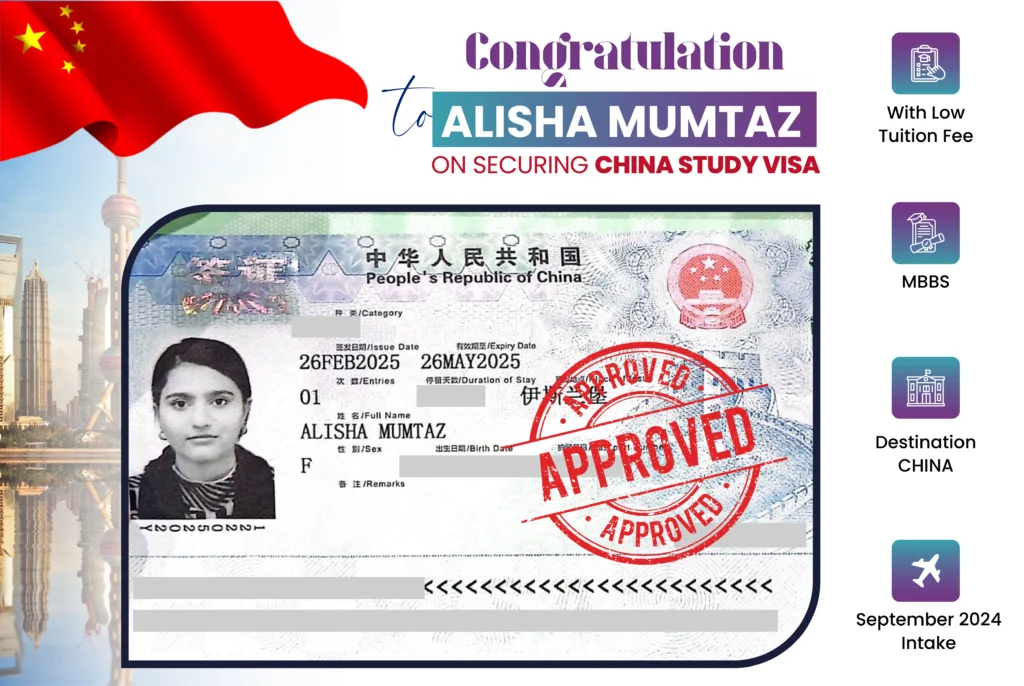
Studying MBBS in China in 2027 is an attractive option for international students seeking quality medical education, modern learning facilities, and potentially affordable tuition fees. Chinese medical universities offer international programmes, laboratory-based learning, and clinical training opportunities for students from different countries. For Pakistani students, China is worth considering because of its geographical proximity, international student communities, and variety of medical education options.
Choosing the right university is essential when planning to study MBBS in China or anywhere else abroad. Students should evaluate degree recognition, admission requirements, tuition fees, teaching hospitals, language of instruction, and the licensing rules of their home country. Among the institutions students may explore is Xinjiang Medical University (XJMU), located in Urumqi, China.
This guide explains eight advantages of studying MBBS in China in 2027, compares important considerations for international applicants, and outlines the steps students can take to prepare for admission.
Why Choose China for MBBS in 2027?
China has invested substantially in higher education, medical research, healthcare infrastructure, and international academic cooperation. Some Chinese universities offer English-taught medical programmes that allow international students to pursue medical education without completing their entire degree in Mandarin.
For students comparing study-abroad destinations, China may offer a balance of academic opportunities and living expenses. However, benefits vary by university and programme, so applicants should verify the details of their chosen institution before applying.
Advantage 1: International Medical Education Opportunities
One of the main advantages of studying MBBS in China is access to universities that welcome international medical students. Programmes may include basic medical sciences, laboratory practice, clinical subjects, and supervised hospital learning.
Before applying, students should confirm that their chosen university is authorized to enrol international students in the specific medical programme they intend to study.
Pakistani applicants should also review the latest Pakistan Medical and Dental Council (PM&DC) requirements. Admission to a Chinese university does not automatically guarantee eligibility for medical registration in Pakistan.
Advantage 2: Potentially Affordable Tuition and Living Costs
The cost of medical education is an important consideration for families planning to study abroad. Depending on the institution, tuition fees at Chinese medical universities may be lower than those at universities in countries such as the United States, United Kingdom, Canada, and Australia.
Living expenses depend on the city, accommodation, food, transport, and individual spending habits. Students should budget for:
- Annual tuition and registration fees
- Campus accommodation or private housing
- Food and personal expenses
- Health insurance and medical costs
- Visa and residence permit fees
- Travel and local transportation
- Books, laboratory materials, and academic supplies
A detailed financial plan helps students understand the actual cost of completing their medical degree rather than focusing only on advertised tuition fees.
Admission to a Chinese university does not automatically guarantee medical registration in Pakistan. Check the latest PM&DC rules for foreign medical graduates before you choose a university or pay any fee.
Advantage 3: English-Medium Medical Programmes
Some Chinese universities provide MBBS programmes in which academic instruction is delivered in English. These programmes can be suitable for international students who want to study medicine without first becoming fluent in Mandarin.
However, applicants should confirm the language used for lectures, examinations, and clinical rotations. Learning basic Mandarin can also be beneficial when communicating with local patients during hospital training.
Students should check whether IELTS, TOEFL, or another form of English-language evidence is required. An English-taught programme does not necessarily mean that all applicants are exempt from language requirements.
Advantage 4: Clinical Training and Hospital Experience
Clinical education helps medical students connect theoretical knowledge with patient care, diagnostic reasoning, and practical medical skills. Depending on the university and its clinical arrangements, students may receive training in:
- Internal medicine and general surgery
- Pediatrics and women’s health
- Emergency medicine and critical care
- Neurology and orthopedics
- Radiology and diagnostic investigations
- Community health and preventive medicine
Applicants should investigate the university’s affiliated teaching hospitals, supervision arrangements, clinical placement structure, and opportunities for practical learning.
Advantage 5: Modern Laboratories and Learning Facilities
Medical students need access to suitable laboratories, libraries, simulation facilities, and teaching resources. These facilities support the study of anatomy, physiology, biochemistry, pathology, and other medical sciences.
Depending on the institution, students may have access to digital libraries, clinical skills laboratories, simulation equipment, and research facilities.
Before choosing a university, applicants should check which resources are available to international students and whether the facilities meet the needs of the advertised medical programme.
Advantage 6: University Regulation and Recognition Checks
Choosing a suitable medical university is one of the most important steps in studying abroad. Students should verify the institution’s authorization to offer the specific programme and determine whether the qualification meets the requirements of the country where they intend to practise.
For Pakistani students, this means reviewing the latest PM&DC rules concerning foreign medical education, eligibility, and licensing examinations.
A university’s appearance in an international medical school directory should not be interpreted as a guarantee of automatic medical registration in every country.
Ask the university to confirm in writing the language used for lectures, examinations, and clinical rotations, and whether IELTS, TOEFL, or other English-language evidence is required for your application.
Advantage 7: A Multicultural International Student Community
Studying in China can provide opportunities to meet students from different countries and cultural backgrounds. This environment may help students develop communication skills, teamwork, independence, and an understanding of different healthcare perspectives.
International student offices may provide assistance with accommodation, university procedures, orientation, and other practical aspects of student life.
Before applying, students should ask about campus facilities, student societies, international student support, and opportunities to connect with classmates from their home country.
Advantage 8: Research and Future Specialization Opportunities
Medical education in China may provide a foundation for future clinical practice, postgraduate education, and medical research. Depending on the university, students may encounter research opportunities involving public health, infectious diseases, biomedical sciences, and clinical medicine.
After graduation, students generally need to complete additional requirements before practising independently or entering specialist training. These may include licensing examinations, internships, residency programmes, and language assessments.
Students should research the medical registration pathway in their intended country well before graduation.
Important Factors When Studying MBBS in China
The following table summarizes the main factors students should evaluate before selecting a medical university.
| Factor | Potential Advantage | What Students Should Verify |
|---|---|---|
| Tuition fees | May be competitive compared with some destinations | Official annual fees and additional charges |
| Language | English-taught programmes are available at selected universities | Language used in lectures, exams, and clinical training |
| Clinical training | Opportunities to learn in affiliated hospitals | Hospital arrangements and supervised clinical exposure |
| Facilities | Laboratories, libraries, and simulation resources | Facilities available to international students |
| Admission | Multiple universities accept international applications | Academic requirements and entrance assessments |
| Recognition | Some qualifications may support international licensing pathways | Current rules of the intended country’s medical regulator |
| Scholarships | Some institutions offer financial assistance | Eligibility, deadlines, and scholarship conditions |
| Student life | Opportunities to experience a new culture | Accommodation, food, transport, and support services |
How to Prepare for MBBS Admission in China in 2027
Planning early can help students organize their applications and avoid unnecessary delays. The first step is to identify universities that offer suitable programmes and meet the applicable eligibility requirements.
Step-by-Step Application Process
- Research universities. Compare programme structure, tuition fees, teaching languages, hospital affiliations, and accommodation.
- Verify recognition and eligibility. Pakistani applicants should consult current PM&DC guidance regarding foreign medical education and licensing requirements.
- Prepare academic documents. Collect certificates, transcripts, passport details, photographs, and required translations or attestations.
- Submit your application. Apply through the university’s official admissions channel and provide accurate information.
- Review the offer letter. Confirm the programme, tuition fees, payment schedule, refund policy, and accommodation arrangements.
- Complete visa requirements. Follow current instructions from the relevant Chinese authorities and embassy or consulate.
- Prepare for arrival. Arrange accommodation, travel, health insurance, essential documents, and university orientation requirements.
Estimated MBBS Study Expenses in China
The following table is a budgeting guide, not an official fee quotation. Actual expenses vary by university, city, programme, and lifestyle. Students should obtain current 2027 figures directly from their chosen institution.
| Expense Category | What to Include | How to Plan |
|---|---|---|
| Tuition | Annual programme fees | Request the official fee schedule |
| Accommodation | Hostel or private housing | Confirm whether housing is included |
| Food | Groceries and meals | Estimate a monthly food budget |
| Transport | Local travel and airport transfers | Check student transport options |
| Insurance | Required health insurance | Verify coverage and annual cost |
| Visa and documents | Visa, residence permit, and document processing | Check official fees and procedures |
| Academic supplies | Books, equipment, and other materials | Ask the university about additional charges |
| Travel home | Flights and local transfers | Budget for seasonal price changes |
Students should calculate the total cost across the full programme duration, including possible annual fee changes and travel expenses. Scholarships should only be included in the budget after eligibility and award conditions have been confirmed.
Before paying any deposit, get all tuition and accommodation charges in writing and review the refund policy. Do not rely only on an agent’s promises about recognition or future licensing.
Why Pakistani Students Should Plan Carefully
For Pakistani students, selecting a Chinese medical university requires more than checking admission availability. They should confirm that they meet the applicable eligibility requirements and understand the licensing pathway they will need to follow after graduation. Before paying any deposit, students should:
- Verify the university and programme through official sources
- Check the latest PM&DC rules for foreign medical graduates
- Confirm the programme’s teaching language and duration
- Obtain written details of all tuition and accommodation charges
- Review refund policies and payment instructions
- Avoid relying exclusively on agents’ promises about recognition or future licensing
These steps can help students reduce financial risks and make informed decisions about their medical education.
PM&DC Eligibility Criteria for Foreign Medical Degrees
Pakistani students planning MBBS in China from Pakistan should check the latest PM&DC requirements before selecting a university. Key requirements include:
- Complete FSc Pre-Medical or equivalent with at least 60% marks, subject to current PM&DC rules
- Complete the required online PM&DC registration through the official student registration portal
- Fulfil the applicable requirements for Provisional Registration
- Meet the eligibility conditions for the National Registration Examination (NRE) under the PM&DC Act, 2022
- Ensure the selected Chinese medical university meets the applicable PM&DC recognition requirements
PM&DC’s 24 July 2025 Council decision states that graduates of foreign medical and dental institutions must meet the relevant recognition and eligibility requirements to qualify for the NRE.
Admission to a Chinese medical university alone does not guarantee registration in Pakistan. Students should verify the university, programme, clinical training and internship requirements before travelling.
Frequently Asked Questions
Does admission to a Chinese university guarantee medical registration in Pakistan?
No. Admission alone does not guarantee registration. Students should verify the university, programme, clinical training, and internship requirements against current PM&DC rules before travelling.
Are there English-taught MBBS programmes in China?
Yes, some Chinese universities offer English-taught MBBS programmes. Applicants should still confirm the language used for lectures, examinations, and clinical rotations.
Do I need IELTS or TOEFL to apply?
It depends on the university. An English-taught programme does not necessarily mean every applicant is exempt, so check whether English-language evidence is required.
What should I budget for besides tuition fees?
Plan for accommodation, food, transport, health insurance, visa and residence permit fees, books and supplies, and travel home, and calculate the total over the full programme duration.
What FSc marks does PM&DC require for foreign medical degrees?
PM&DC rules ask for FSc Pre-Medical or equivalent with at least 60% marks, subject to current PM&DC rules. Always check the latest requirements before applying.
Conclusion: Is Studying MBBS in China Worth Considering in 2027?
Studying MBBS in China in 2027 may provide international students with access to medical education opportunities, potentially competitive tuition fees, English-medium programmes at selected universities, laboratory facilities, clinical training, and multicultural campus environments.
For Pakistani students, careful research is essential. The most important considerations include programme suitability, total cost, admission requirements, clinical training, and eligibility for medical registration after graduation.
Xinjiang Medical University is one institution applicants can investigate when comparing options in China. Before applying, students should verify current admission availability, programme details, fees, recognition requirements, and clinical arrangements through reliable official sources. With the right guidance from professional study abroad consultants for China, your journey can be smooth and stress-free.
Ready to start your MBBS journey?
Share your goals with the team at Global Migration Advisors, and we will help you shortlist recognised universities.
Chat on WhatsAppGlobal Migration Advisors | Lahore, Pakistan | globalmigration.pk