Lithuania has become an increasingly popular destination for international students, particularly from Pakistan and other South Asian countries. With affordable tuition fees, internationally recognized EU degrees, and a growing number of English-taught programs, it offers a strong opportunity for students seeking quality education in Europe without high costs.
However, studying in Lithuania is not without its challenges. While the country is safe and modern, many international students face practical difficulties after arrival. Being aware of these issues beforehand can help students prepare better and avoid unnecessary stress.
Post-Arrival Legal Requirement: Municipality Declaration Issue
One of the most important and often overlooked challenges of study in Lithuania begins immediately after arrival in Lithuania.
International students are legally required to declare their place of residence at the municipality within one month. This process is directly linked to the validity of the Temporary Residence Permit (TRP). A common issue arises when brokers provide a residence contract for one address, while the student actually lives somewhere else. This mismatch can lead to complications during the declaration process.
Failure to complete this requirement correctly and on time can result in serious consequences, including cancellation of the TRP. This makes it essential for students to ensure that their rental contract matches their actual residence.
Language Barrier in Daily Life
Although universities offer many English-taught programs, everyday life in Lithuania largely operates in the Lithuanian language. Students often face difficulties when dealing with government offices, healthcare services, and even basic daily tasks such as shopping or transportation.
This language gap can make routine activities more stressful, especially during the initial months. Learning a few basic Lithuanian phrases before arrival can significantly ease the transition and improve day-to-day communication.
Academic Adjustment Challenges
The Lithuanian education system may feel quite different for students coming from Pakistan. Universities emphasize independent learning, critical thinking, and research-based assignments rather than guided instruction.
Students are expected to take initiative in their studies, manage their time effectively, and adapt to new academic standards. For non-native English speakers, academic writing and presentations can also pose an initial challenge. With time and consistent effort, most students adjust, but the first semester can be demanding.
Limited Part-Time Job Opportunities
Many international students plan to work part-time alongside their studies, but this can be more difficult than expected. The job market is relatively small, and most opportunities require knowledge of the Lithuanian language.
In addition, students are only allowed to work limited hours, which restricts earning potential. As a result, relying heavily on part-time income is not advisable, and students should ensure they have sufficient financial support before arrival.
Small Job Market & Post-Study Opportunities
Lithuania’s job market is smaller compared to major European economies. While there are opportunities in certain sectors, competition is high, especially for positions that do not require Lithuanian language skills.
For long-term employment, learning the local language often becomes necessary. Due to these limitations, many international students choose to move to other European countries after completing their studies.
Financial Pressures

Although Lithuania is considered affordable, students still face financial challenges. Monthly expenses such as rent, food, and transportation can add up, particularly for those coming from countries with weaker currencies.
Unexpected costs can further increase financial pressure if proper planning has not been done in advance. Students who arrive without a clear budget may find it difficult to manage their expenses comfortably.
Cultural Differences & Social Integration
Adjusting to a new culture is one of the biggest challenges for international students. In Lithuania, social interactions may feel different from what South Asian students are used to.
People tend to be more private and less expressive initially, which can make it harder to build friendships quickly. This often leads to feelings of isolation during the early stages of student life.
Community, Food, and Social Lifestyle Challenges
For Pakistani and Muslim students, lifestyle adjustments can be particularly noticeable. Compared to Western Europe, Lithuania has a smaller Pakistani and Muslim community, which can limit access to familiar cultural environments. Food options also differ, especially when it comes to halal availability, and social norms may feel more reserved.
Students often need to make conscious efforts to build their support system and adapt to these changes.
Helpful ways to adjust include:
-
- Joining international student groups and university societies to meet people
-
- Connecting with mosque associations and local Muslim communities where available
-
- Learning basic cooking and identifying halal shops or suppliers
-
- Coordinating with other students for shared grocery purchases
-
- Participating in campus activities to gradually build friendship
Weather & Climate Challenges
Lithuania’s climate can be difficult for students coming from warmer regions. Winters are long, cold, and often accompanied by very short daylight hours. This change can affect both physical comfort and mental well-being.
Adapting to the weather takes time, and students need to be prepared with appropriate clothing and routines.
Immigration & Policy Challenges
International students must strictly follow immigration rules and stay updated with any policy changes. Processes related to visas, residence permits, and documentation can sometimes be complex.
Even small mistakes, such as missing deadlines or submitting incorrect information, can lead to serious consequences. This is why staying informed and organized is essential.
Practical Tips for a Smooth Experience
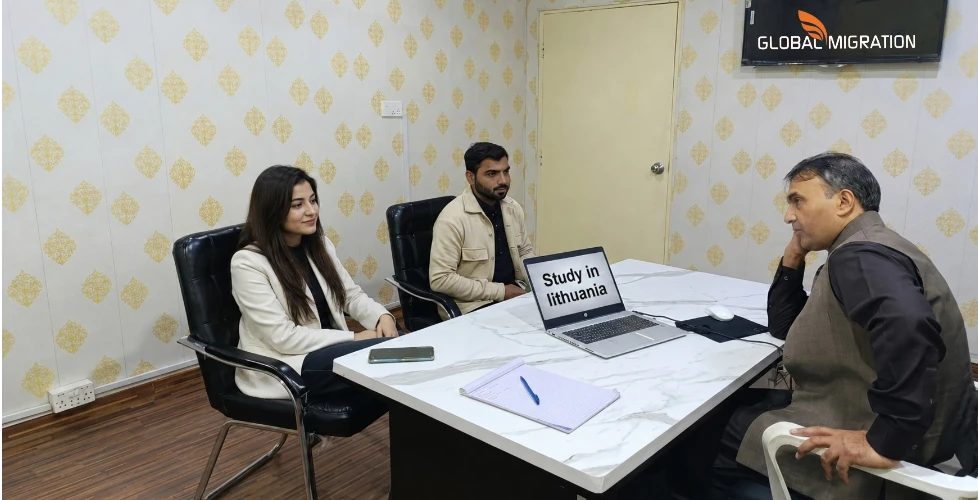
Preparation plays a key role in ensuring a successful study experience in Lithuania. Students who plan ahead are better equipped to handle challenges and settle comfortably. If not sure, get help from a study in Lithuania consultant to understand all these issues and develop an effective plan to deal with study in Lithuania challenges.
Here are some important steps to follow:
-
- Verify your accommodation and ensure your contract matches your actual residence
-
- Complete your municipality declaration within the required timeframe
-
- Plan your finances realistically and avoid relying on part-time work
-
- Learn basic Lithuanian to manage daily life more easily
-
- Choose student-friendly cities such as Vilnius or Kaunas
-
- Build a social network early by engaging in university and community activities
Conclusion
Lithuania offers a valuable opportunity for international students seeking affordable, high-quality education in Europe. However, it is important to understand that the experience comes with certain challenges, ranging from legal requirements and language barriers to cultural differences and limited job opportunities.
With proper preparation, awareness, and the right guidance, these challenges can be managed effectively.
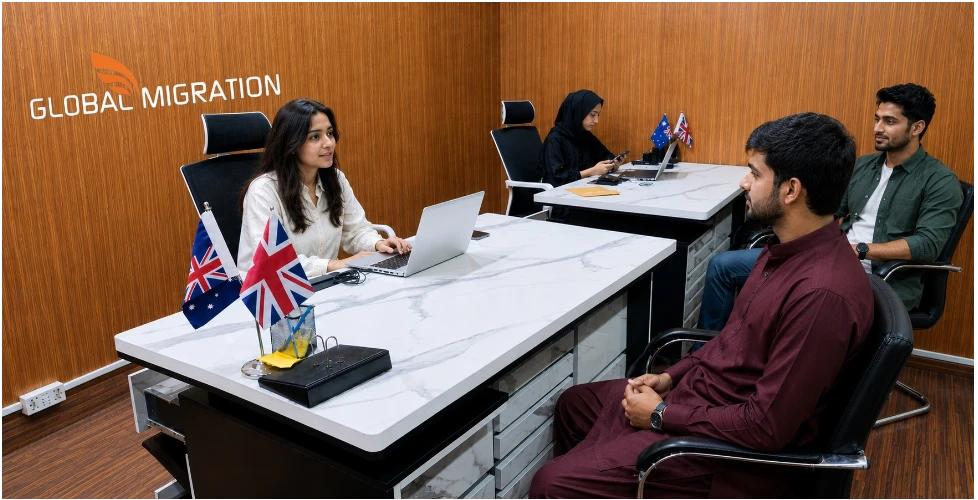
As a leading Study in Lithuania Consultant, we help students navigate every step of the process—from selecting the right university to visa guidance and pre-departure support including meeting English proficiency requirements—ensuring a smooth and stress-free journey.
Start your study abroad journey with confidence by reaching out to our expert team today.