For thousands of Pakistani students, IELTS is the first major step toward studying abroad. Whether you want to study in Lithuania, the UK, Canada, Australia, or another European country, achieving a good IELTS score can significantly improve your chances of university admission and visa approval. Many students also search for the best IELTS coaching near me to get professional guidance and improve their preparation.
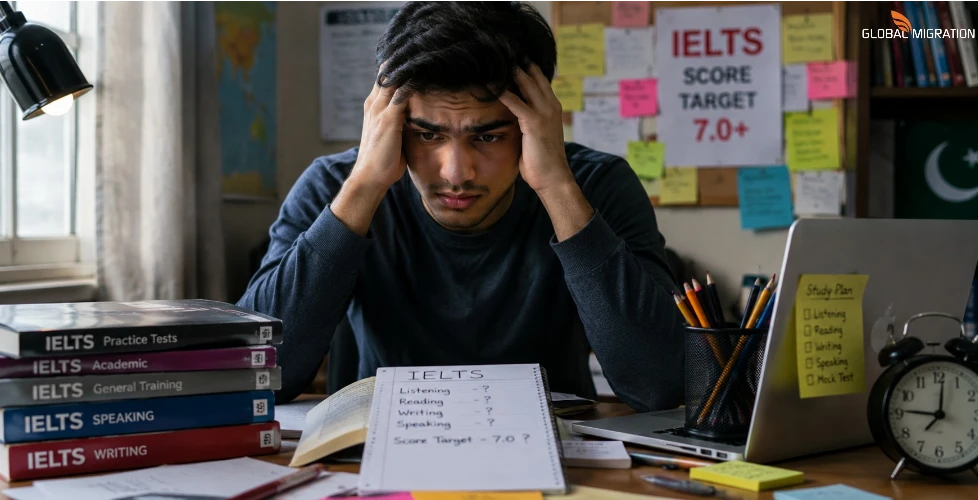
However, many beginners feel confused when they start preparing for the IELTS exam. Students often struggle with understanding the test format, improving English skills, and managing time effectively. The good news is that with the right strategy, consistency, and guidance, IELTS preparation becomes much easier.
In this guide, we will discuss the best IELTS preparation tips for beginners, common mistakes students should avoid, and how Pakistani students can prepare effectively for the exam. If you are planning to study abroad, this blog by Global Migration Advisors will help you begin your IELTS journey with confidence.
What is IELTS and Why is it Important?
IELTS (International English Language Testing System) is one of the world’s most widely accepted English language proficiency tests. It is required by universities, immigration authorities, and employers in many countries.
Countries where IELTS is commonly accepted include:
- United Kingdom
- Canada
- Australia
- Lithuania
- Germany
- Ireland
- New Zealand
For Pakistani students planning to study abroad, IELTS is often mandatory for university admissions and student visa applications. A higher IELTS score can also increase scholarship opportunities and strengthen your visa profile.
Understand the IELTS Test Format
Before starting your preparation, it is important to understand the IELTS exam structure. IELTS consists of four sections:
Listening
This section evaluates your ability to understand spoken English in different accents and situations.
Reading
The reading section checks your comprehension skills and ability to understand academic texts.
Writing
Students complete two writing tasks. This section tests grammar, vocabulary, sentence structure, and idea organization.
Speaking
The speaking test is conducted face-to-face with an examiner and evaluates fluency, pronunciation, and confidence.
Each module is scored on a band scale from 0 to 9. Most universities require scores between 6.0 and 7.0 bands.
Start by Understanding Your English Level
One of the biggest mistakes beginners make is starting preparation without evaluating their current English abilities. Before creating a study plan, take a diagnostic IELTS practice test to identify your strengths and weaknesses.
For example:
- If your vocabulary is weak, focus more on reading and learning new words.
- If speaking makes you nervous, practice daily conversations in English.
- If writing is difficult, spend extra time improving grammar and sentence structure.
Understanding your starting point helps you prepare more effectively.
Create a Realistic Study Plan
Consistency is one of the most important factors in IELTS preparation. Instead of studying randomly, create a proper timetable.
A simple beginner-friendly study plan may include:
- 1 hour for reading practice
- 30 minutes for vocabulary
- 1 hour for listening practice
- 30 minutes for speaking
- Writing practice 3–4 times weekly
Studying consistently for 6–8 weeks can help many students achieve their target score.
Practice English Daily
IELTS is not just about passing an exam. It tests your practical English communication skills. Therefore, beginners should make English part of their daily routine.
You can improve naturally by:
- Reading English newspapers
- Watching English movies
- Listening to podcasts
- Speaking English with friends
- Writing short paragraphs daily
Even 30–60 minutes of daily exposure to English can produce significant improvement over time.
Improve Vocabulary and Grammar
Vocabulary and grammar are essential for achieving a good IELTS score. However, beginners often try to memorize difficult words unnecessarily.
Instead:
- Learn commonly used academic vocabulary
- Focus on sentence accuracy
- Practice synonyms and paraphrasing
- Learn topic-specific words
Good grammar does not mean using complex sentences all the time. Clear and accurate English is more important.
Focus on Time Management
Many students lose marks because they cannot complete sections within the given time. Time management is especially important in reading and writing modules.
To improve speed:
- Practice with timers
- Solve complete mock tests
- Avoid spending too much time on difficult questions
- Learn skimming and scanning techniques for reading
Regular timed practice helps reduce exam stress.
Use Official IELTS Resources
Beginners should always use reliable and authentic preparation material. Official IELTS resources are much more effective than random internet notes.
Useful resources include:
- Cambridge IELTS books
- British Council practice materials
- IDP IELTS resources
- Official IELTS websites
Free YouTube channels and online practice tests can also be very helpful.
Practice Mock Tests Regularly
Mock tests are extremely important for IELTS preparation. They help students:
- Understand the actual exam environment
- Improve confidence
- Identify weak areas
- Build speed and accuracy
Try to take at least one complete mock test every week during your preparation period.
Watch English Content and Listen to Podcasts

Listening skills improve gradually through regular exposure. Beginners can strengthen their listening and pronunciation skills by:
- Watching English news channels
- Listening to podcasts
- Watching documentaries
- Following English interviews
This also improves vocabulary, pronunciation, and fluency for the speaking module.
Avoid Memorizing Answers
Many students try to memorize speaking answers and writing templates. Examiners can easily identify memorized responses, which may lower your score.
Instead:
- Practice speaking naturally
- Focus on idea development
- Improve fluency and confidence
- Learn how to express opinions clearly
Natural communication always performs better than memorized content.
Work on Pronunciation and Fluency
For speaking, confidence matters more than having a perfect accent. Pakistani students should focus on:
- Speaking clearly
- Reducing hesitation
- Improving pronunciation
- Practicing common speaking topics
Daily speaking practice can significantly improve fluency over time.
Common IELTS Mistakes Beginners Should Avoid
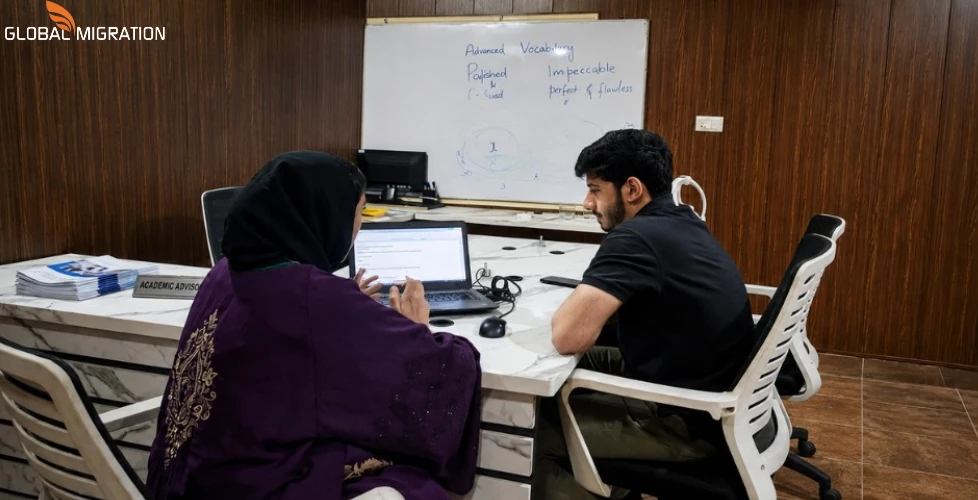
Many beginners repeat the same mistakes during preparation. Avoiding these errors can improve your overall performance.
Ignoring Time Limits
Students often practice without timing themselves, which creates problems in the actual exam.
Weak Vocabulary
Limited vocabulary affects writing and speaking performance.
Lack of Practice
Some students study theory but avoid mock tests and speaking practice.
Memorized Speaking Responses
Overly memorized answers sound unnatural and may reduce speaking scores.
Poor Spelling and Grammar
Simple spelling and grammar mistakes can lower writing and listening scores.
Can You Prepare for IELTS at Home?
Yes, many students successfully prepare for IELTS at home. Self-study can be effective if you remain disciplined and consistent, while joining professional IELTS classes can further improve your preparation and boost your confidence for the exam.
To prepare at home:
- Use official IELTS books
- Watch IELTS lessons on YouTube
- Practice mock tests regularly
- Join online speaking groups
- Read English articles daily
However, some students may still benefit from professional guidance, especially if they struggle with writing or speaking.
Should You Join an IELTS Academy in Lahore?
Many students in Pakistan search for the best IELTS academy in Lahore or other cities. While academies can be helpful, choosing the right institute is important.
Large academies sometimes have overcrowded classes and generic teaching methods. Beginners often benefit more from smaller institutes that provide personalized attention and feedback.
Before joining an academy:
- Visit the institute personally
- Interact with teachers
- Ask about class size
- Check student feedback
- Compare teaching methods
Good guidance can help students improve faster and avoid common mistakes.
How Global Migration Advisors Helps IELTS Students
Global Migration Advisors helps students throughout their study abroad journey. Besides university admissions and visa guidance, the platform also assists students with IELTS and PTE preparation strategies.
Services include:
- Study abroad counseling
- University selection guidance
- IELTS and PTE guidance
- Student visa assistance
- Interview preparation
- Lithuania study visa support
- Europe university application support
Students planning to study in Lithuania or other European countries can receive complete support from admission to visa processing.
Frequently Asked Questions (FAQs)
How long does it take to prepare for IELTS?
Preparation time depends on your current English level. Most beginners require 6–12 weeks of consistent preparation.
Is IELTS difficult for beginners?
IELTS can seem difficult initially, but proper practice and preparation make it manageable.
Can I prepare for IELTS without coaching?
Yes, many students prepare successfully at home using official materials and online resources.
What is a good IELTS score for study abroad?
Most universities require 6.0–7.0 bands depending on the course and country.
Which is easier: IELTS or PTE?
It depends on individual strengths. Some students prefer IELTS because of face-to-face speaking, while others find PTE easier due to computer-based testing.
Conclusion
Preparing for IELTS may feel overwhelming at first, especially for beginners, but success becomes much easier with consistency, proper planning, and regular practice. Instead of focusing only on memorization, students should work on improving their overall English communication skills.
Whether you are preparing for study in Lithuania, Europe, the UK, or other countries, a strong IELTS score can open the door to international education opportunities.
If you need professional guidance regarding IELTS preparation, university admissions, or student visas, Global Migration Advisors can help make your study abroad journey smooth, stress-free, and successful.